 11
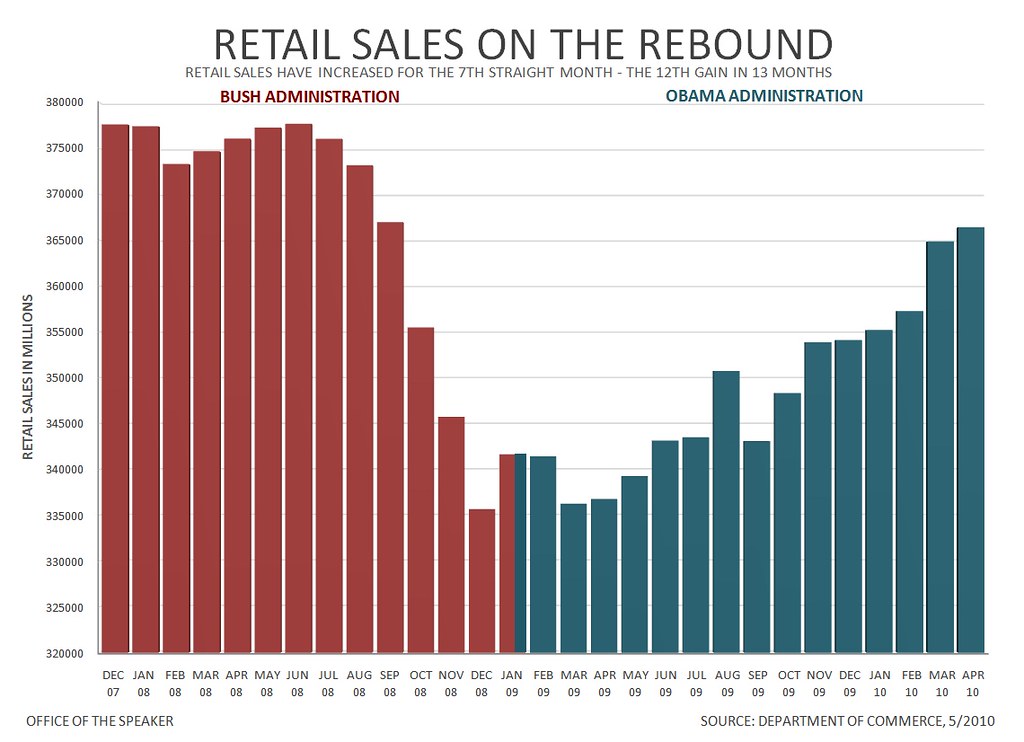
11 retail sales growth is on the rise, marking the 16th consecutive month of positive trends. This ongoing increase reflects consumer confidence and economic recovery.
Understanding retail sales growth is essential for businesses aiming to thrive in a competitive market. Over the past 16 months, the retail sector has experienced consistent growth, reflecting shifting consumer behaviors and economic trends. This sustained increase indicates a strong demand for products and services, highlighting the importance of adapting strategies to cater to evolving consumer preferences.
Several factors contribute to the success of retail sales growth:
By focusing on these strategies, businesses can not only contribute to retail sales growth but also build a sustainable path to success in the ever-evolving marketplace.
Several key factors are contributing to the ongoing retail sales growth observed in recent months. These elements are essential for businesses looking to enhance their performance and achieve sustained success in the competitive retail environment.
By focusing on these factors, retailers can not only drive immediate sales increases but also build a loyal customer base that supports long-term growth.
The ongoing retail sales growth has significant implications for the real estate market. As consumer spending continues to rise, retailers are expanding their footprints, leading to increased demand for commercial properties. This trend can be observed in several key areas:
In summary, the sustained retail sales growth not only benefits businesses but also positively influences the broader real estate landscape.
Consumer confidence plays a crucial role in driving retail sales growth. When consumers feel secure in their financial situations, they are more likely to spend money on both essential and non-essential items. This increased spending not only boosts retail sales but also contributes to overall economic health.
Several factors influence consumer confidence, including:
As consumers gain confidence, they are likely to frequent retail establishments more often. This trend has been evident in recent months as retail sales have shown consistent growth. Understanding the relationship between consumer confidence and spending is essential for retailers aiming to leverage retail sales growth effectively.
In analyzing the retail sales growth over the past several months, it is evident that the upward trend remains consistent. According to data released by the Commerce Department, retail sales have expanded for the 16th consecutive month, reflecting a resilient consumer base.
Comparing the last three months, several key observations emerge:
This comparative analysis highlights a robust trajectory in retail sales growth, supported by factors such as enhanced consumer confidence and strategic marketing initiatives. As retailers adapt to evolving consumer behaviors, they continue to leverage these insights to bolster sales and foster long-term success.
As the retail landscape continues to evolve, projections indicate that retail sales growth is likely to persist in the coming months. Analysts suggest that several key factors will contribute to this ongoing expansion.
Firstly, the integration of advanced technology in shopping experiences is expected to enhance customer engagement. With the rise of e-commerce and mobile shopping, retailers are adapting their strategies to meet changing consumer preferences.
Secondly, the overall economic environment appears stable, with low unemployment rates and increasing disposable income. This economic stability encourages consumers to spend more, positively impacting retail sales growth.
Moreover, seasonal trends and upcoming holidays will also play a significant role in driving sales. Retailers are gearing up for major events, such as the holiday season, which historically boosts sales figures.
Additionally, sustainability and ethical practices are becoming increasingly important to consumers, prompting retailers to adapt their offerings accordingly. As businesses align with these values, they can potentially attract a more loyal customer base.
In summary, the future of retail sales growth looks promising, driven by technological advancements, economic stability, seasonal opportunities, and a shift towards sustainability.
To effectively capitalize on the ongoing retail sales growth, businesses must adopt strategic approaches that align with current market trends. Here are several proven strategies that can help retailers enhance their performance:
By implementing these strategies, retailers can fully harness the potential of retail sales growth and secure long-term success.
By Speaker Nancy Pelosi via Openverse
Smart Home Launch: Best Proven Innovations to Expect · JK Lakshmi Cement Project: Worth Your Attention and Investment · Apple smart home hub: New Details and Launch Date Revealed