 11
11
India tender platform growth is reshaping the landscape for smaller cities, offering new opportunities for local businesses and infrastructure development. This trend highlights the increasing accessibility and efficiency of tender processes in these regions.
The growth of the India tender platform has been remarkable, especially in smaller cities across the nation. This platform serves as a vital resource for businesses seeking opportunities in government and private sector tenders. By streamlining the tendering process, it ensures that small and medium enterprises (SMEs) can compete effectively.
One of the key features of the India tender platform is its user-friendly interface, which allows users to easily navigate through various tenders available in their region. This accessibility has encouraged numerous businesses in smaller cities to participate actively. As a result, many local companies have reported increased revenue and expanded their market presence.
Additionally, the India tender platform fosters transparency in the bidding process. This has built trust among vendors and suppliers, ensuring that all parties have equal opportunities to secure contracts. The platform also provides useful resources such as
to help users make informed decisions.
Overall, the India tender platform’s growth in smaller cities signifies a promising shift in how local businesses engage with government procurement, ultimately leading to economic development.
The expansion of the India tender platform has brought significant advantages to smaller cities, enhancing their economic landscape and fostering local development. Below are some key benefits observed:
As the India tender platform continues to grow, its impact on smaller cities is becoming increasingly evident, highlighting the importance of inclusive economic growth. By harnessing the potential of this digital tool, these cities are poised for a brighter economic future.
The evolution of tender processes in India has been significantly influenced by the advent of digital platforms. These platforms have streamlined the way tenders are issued, evaluated, and awarded, making it easier for businesses in smaller cities to participate in the bidding process.
Traditionally, tendering was a cumbersome and often opaque procedure. However, the integration of technology has transformed this landscape. Key changes include:
This shift towards digital solutions not only enhances efficiency but also encourages more local businesses to engage in the tendering process. As the India tender platform growth continues, it is likely that we will see even greater participation from smaller cities, driving economic development and fostering competition.
Local businesses in smaller cities in India are experiencing significant challenges as they navigate the growing opportunities presented by the India tender platform. Despite the benefits highlighted in earlier sections, several hurdles remain that can hinder their success.
To overcome these challenges and fully leverage the growth opportunities offered by the India tender platform, local businesses will need targeted support and resources.
The growth of the India tender platform has facilitated numerous successful projects in smaller cities across the nation. These case studies highlight the tangible benefits and transformative potential of tender processes in local economies.
These examples underscore how the India tender platform growth is not just about numbers; it is about fostering community development, enhancing local businesses, and addressing the unique needs of smaller cities.
The growth of the India tender platform is significantly bolstered by various government support initiatives aimed at enhancing transparency and accessibility in smaller cities. These initiatives are crucial for ensuring that local businesses can compete effectively in the tendering process.
One of the primary measures has been the introduction of digital literacy programs, which equip entrepreneurs with the necessary skills to navigate the tender platform effectively. Additionally, the government has launched awareness campaigns that highlight the benefits of participating in tenders, thereby encouraging more local firms to engage.
Moreover, financial assistance schemes have been established to help small and medium enterprises (SMEs) adapt to the new digital landscape. This includes grants for technology upgrades and training sessions on e-tendering processes.
Key initiatives include:
Through these efforts, the government aims to ensure that the India tender platform growth continues to thrive, particularly in smaller cities, thereby fostering a more inclusive economic environment.
As the India tender platform growth expands beyond major urban centers, several future trends are emerging that promise to reshape the landscape of procurement in smaller cities. One significant trend is the increasing integration of technology in tender processes. This includes the use of artificial intelligence and machine learning to streamline submissions and improve the accuracy of bid evaluations.
Moreover, a shift towards greater transparency and accessibility is expected. Local businesses will likely benefit from enhanced digital platforms that provide real-time updates on tender opportunities and requirements. This will empower more players to compete and foster a healthy competitive environment.
Furthermore, the rise of mobile applications tailored for tender submissions is anticipated to revolutionize how local businesses engage with tender platforms. These apps will facilitate easier access to information, allowing entrepreneurs in smaller cities to participate actively.
In addition, we may see an increase in collaborative efforts among municipalities to share resources and best practices. This could lead to the establishment of regional tender platforms that cater specifically to the needs of smaller cities, promoting local economic growth.
Overall, the future of the India tender platform growth appears promising, with innovative solutions paving the way for increased participation from diverse businesses.
As the India tender platform growth continues to gain momentum, it is clear that smaller cities are no longer sidelined in the pursuit of development. The evolution of tender processes, supported by government initiatives, has opened new avenues for local businesses to thrive and compete effectively. This transformation is not just about access; it is about empowerment, enabling smaller cities to play a vital role in national infrastructure and service delivery.
Looking ahead, several factors will shape the future of tender platforms in India:
The road ahead for India’s tender platforms is promising, especially for smaller cities. With the right support and infrastructure, the potential for growth is immense, paving the way for sustainable development and economic progress.
As the demand for efficient procurement solutions rises, India tender platform growth is becoming increasingly evident in smaller cities. This trend not only streamlines local businesses but also boosts competition, showcasing the potential of India tender platform growth across diverse markets.
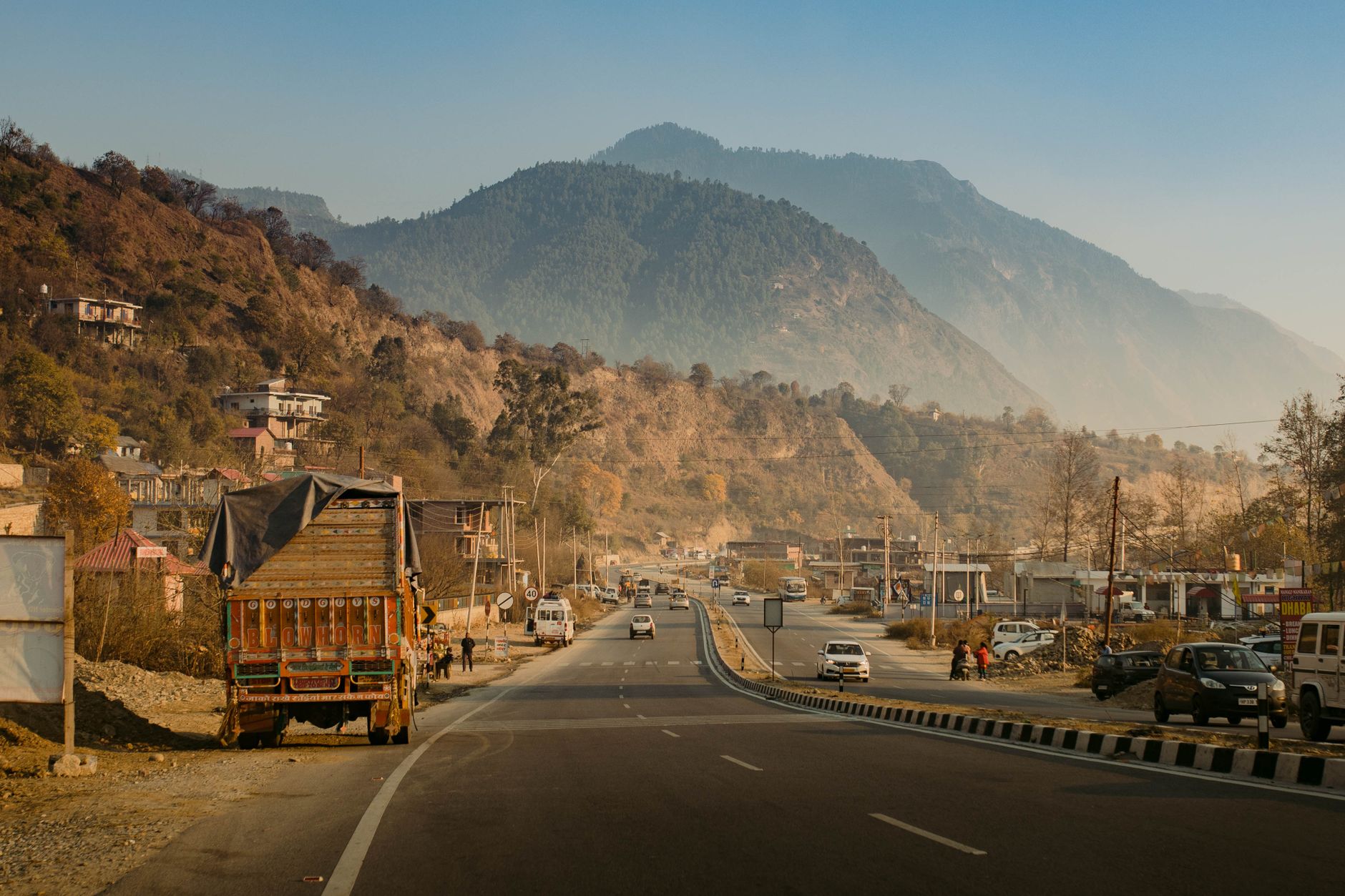
Photo by Ravi Roshan on Pexels