 11
11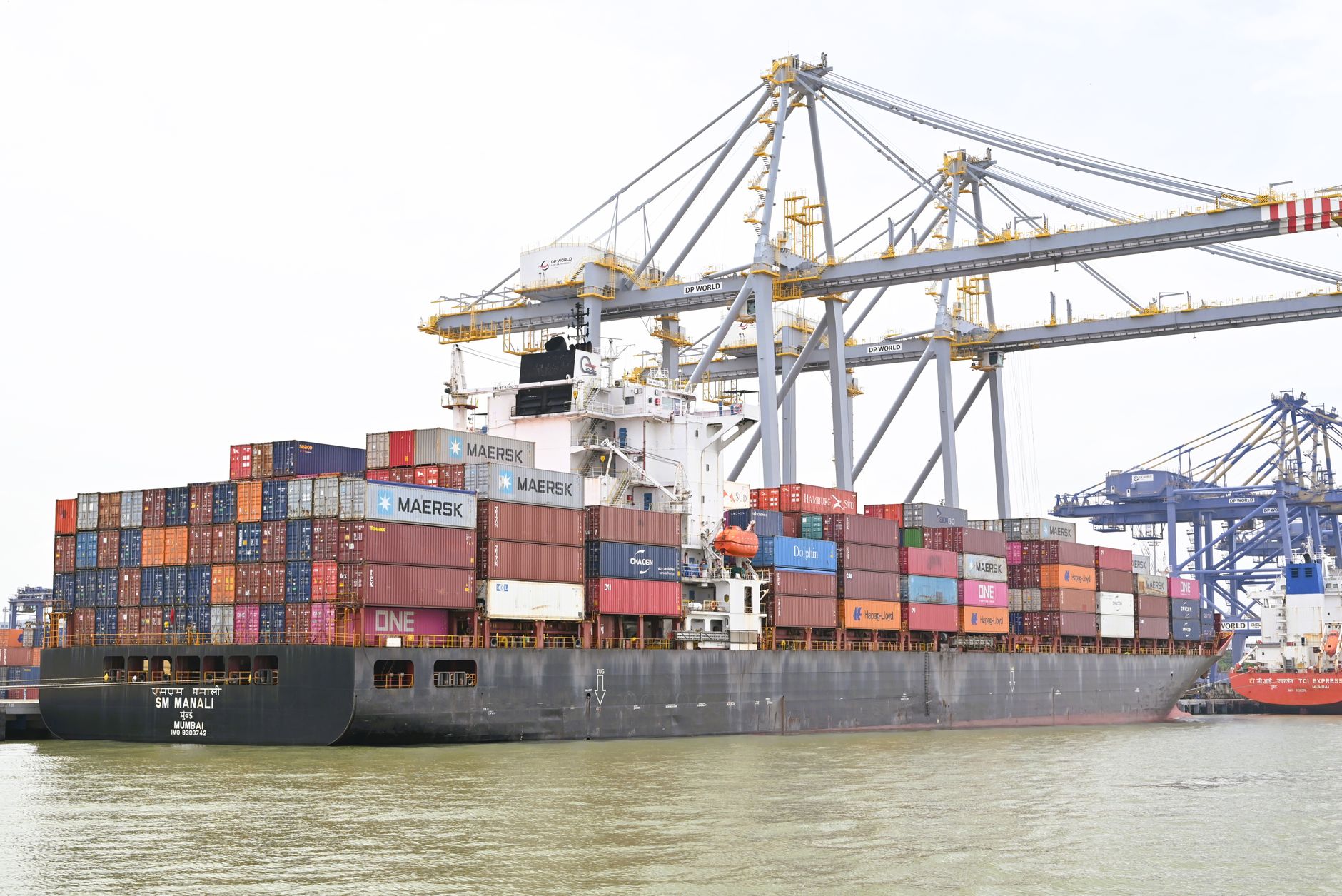
India port projects oversight is a significant move that aims to enhance the management and efficiency of major port developments across the country.
India’s initiative to enhance the oversight of major port projects marks a significant step towards improving the nation’s transport infrastructure. Recently, the government announced that all major port projects will now fall under a unified oversight mechanism aimed at ensuring efficiency and accountability.
This new framework is designed to streamline processes, reduce delays, and enhance collaboration among various stakeholders involved in port development. The emphasis on transparency and monitoring is expected to lead to more timely completion of projects, ultimately benefiting trade and commerce.
Key aspects of the initiative include:
By implementing these measures, India aims to address long-standing issues related to port project delays and inefficiencies. This proactive approach to port projects oversight is anticipated to transform the logistics landscape, making the country a more competitive player in global trade.
The government’s commitment to improving port infrastructure reflects its broader strategy to boost economic growth and enhance connectivity across regions.
The recent decision to implement a new oversight mechanism for major port projects in India aims to enhance efficiency and accountability in the transport sector. With the growing demand for robust infrastructure, the government recognizes the importance of effective management of these critical assets.
This initiative is expected to have significant impacts on several ongoing and future projects, including:
By placing these major port projects under new transport oversight, India aims to streamline processes and minimize delays. This governance structure is designed to ensure that all projects align with national standards and best practices, ultimately leading to better transport outcomes.
Moreover, the oversight will foster greater collaboration between government agencies and private stakeholders, promoting transparency and innovation in project execution. As a result, the impact of this initiative is likely to be felt across the logistics and supply chain sectors, enhancing India’s position as a key player in global trade.
Overall, the strategic focus on India port projects oversight signifies a commitment to improving infrastructure and meeting future demands effectively.
The role of the government in enhancing transportation infrastructure is crucial, especially with the recent implementation of new port projects oversight in India. By establishing a streamlined framework, the government aims to ensure efficiency and transparency in the execution of these significant projects.
One of the primary responsibilities of the government is to facilitate collaboration among various stakeholders, including private investors, local communities, and environmental agencies. This collaboration is designed to address potential challenges and foster sustainable development. Key actions taken by the government include:
Furthermore, with an emphasis on innovation, the government is integrating smart technologies into port management systems. This not only enhances operational efficiency but also minimizes environmental impact. Ultimately, the new transport oversight aims to bolster India’s economic growth by improving logistics and connectivity through its port projects, positioning the country as a key player in global trade.
As these initiatives unfold, the commitment to effective oversight will be pivotal in ensuring that India’s port projects achieve their ambitious goals.
The rapid expansion of port infrastructure in India is encountering several significant challenges that could hinder progress. Key among these challenges are issues related to funding, environmental regulations, and coordination among various stakeholders.
Firstly, funding constraints remain a major obstacle. Many port projects require substantial investments, and securing financial backing can be difficult. This often leads to delays in project initiation and completion.
Secondly, environmental regulations pose a complex challenge. With increasing awareness of environmental sustainability, compliance with stringent regulations can slow down project timelines. Developers must navigate these regulations carefully to avoid penalties and ensure that projects meet ecological standards.
Additionally, the lack of effective coordination among various government bodies can lead to bureaucratic bottlenecks. Multiple agencies are involved in port development, and without clear oversight, projects may face delays due to miscommunication or conflicting interests.
As India places major port projects under new transport oversight, it is crucial to address these challenges proactively. By fostering collaboration among stakeholders and ensuring adequate funding and environmental compliance, India can enhance the efficiency of its port development efforts. This strategic oversight will ultimately contribute to better transport solutions, facilitating smoother trade and commerce.
The future of India’s maritime infrastructure is poised for significant transformation as the government enhances its oversight on port projects. With the implementation of a streamlined approach to manage these developments, stakeholders are optimistic about improved efficiency and accountability. The emphasis on India port projects oversight aims to create a synergy between various agencies involved in port operations, ensuring that each project adheres to the highest standards of quality and safety.
As part of this initiative, several key strategies have been identified:
By fostering a more robust framework for oversight, India can enhance its maritime infrastructure, paving the way for increased trade and economic growth. As these initiatives unfold, the potential for a more connected and efficient transportation network becomes increasingly promising.
The enhanced oversight of port projects in India is set to bring numerous benefits that can significantly transform the country’s maritime infrastructure. By implementing rigorous monitoring and evaluation processes, stakeholders can expect improvements in project efficiency and accountability.
Some key benefits of this enhanced oversight include:
In summary, the introduction of enhanced oversight in India port projects is a strategic move that promises to yield significant advantages, ensuring that the nation’s maritime infrastructure meets growing demands and supports sustainable economic growth.
Effective management of India port projects oversight can lead to significant improvements in both efficiency and safety. By implementing advanced technologies, stakeholders can enhance the India port projects oversight process and ensure timely delivery of goods.
Photo by Ankittt Bhattacharjee on Pexels