 11
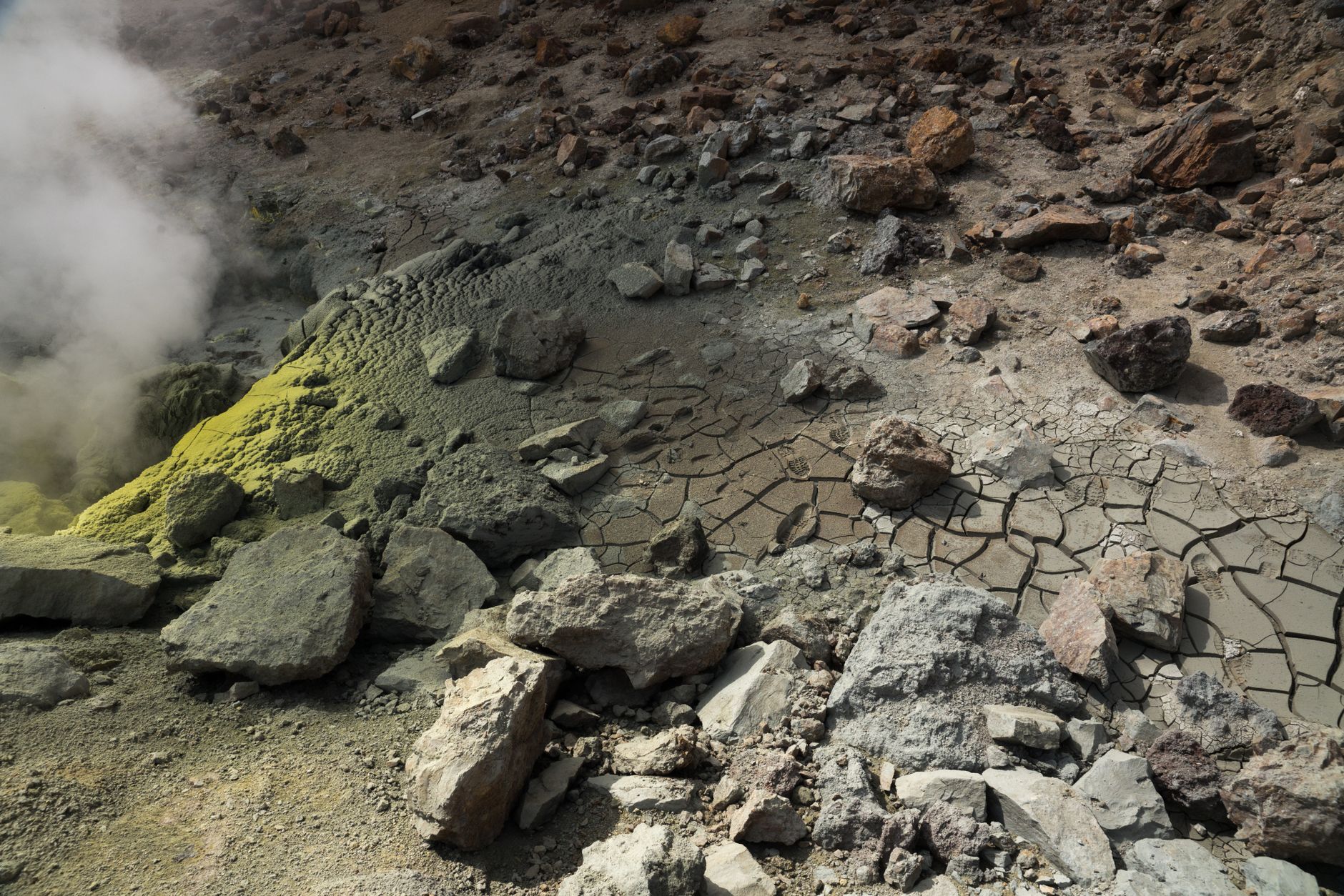
The geothermal drying unit is an innovative approach to enhance infrastructure projects. Pul’s recent inauguration aims to revolutionize drying processes while seeking seismic project clearance.
The recent inauguration of a geothermal drying unit marks a significant advancement in the field of sustainable construction and infrastructure projects. As industries seek innovative solutions for efficient drying processes, the geothermal drying unit emerges as a viable option, leveraging the earth’s natural heat to enhance productivity while minimizing environmental impact.
Geothermal drying is a process that utilizes geothermal energy to dry materials, making it an eco-friendly alternative to traditional drying methods. This technique is particularly beneficial for industries that require large volumes of moisture removal, such as agriculture and construction. By harnessing the constant temperature of the earth, the geothermal drying unit not only reduces energy consumption but also lowers operational costs.
As the demand for sustainable practices grows, the role of geothermal technology in infrastructure projects becomes increasingly crucial. The integration of a geothermal drying unit can lead to:
With these advantages, many industry experts are questioning whether the geothermal drying unit is indeed the best solution for modern infrastructure projects.
The implementation of geothermal technology, particularly through the geothermal drying unit, presents numerous advantages for infrastructure projects. As industries increasingly seek sustainable solutions, the benefits of this innovative approach become more apparent.
As infrastructure projects evolve, the adoption of geothermal drying units could play a pivotal role in enhancing efficiency and promoting ecological responsibility, making them a compelling choice for modern development initiatives.
The seismic project clearance process is a crucial step in the implementation of infrastructure projects that utilize innovative technologies such as the geothermal drying unit. This process ensures that all potential geological and environmental impacts are thoroughly assessed before construction begins. In regions prone to seismic activity, it becomes even more important to adhere to safety regulations and guidelines.
Typically, the clearance process involves several key stages:
By adhering to this comprehensive clearance process, project developers can ensure that the geothermal drying unit is integrated safely and effectively into existing infrastructure, minimizing risks while maximizing the benefits of this sustainable technology.
The introduction of the geothermal drying unit is poised to significantly enhance infrastructure efficiency in various projects. By utilizing the natural heat from the earth, this innovative technology offers a sustainable solution to drying materials, which is often a bottleneck in construction timelines.
Several factors contribute to the positive impact of the geothermal drying unit on infrastructure efficiency:
As infrastructure projects increasingly prioritize sustainability and efficiency, the geothermal drying unit emerges as a promising solution, aligning with modern environmental goals while enhancing productivity.
Despite the promising benefits of the geothermal drying unit, several challenges hinder its widespread implementation in infrastructure projects. One major obstacle is the high initial investment costs associated with the installation and maintenance of these units. Many project managers find it difficult to allocate sufficient budgets for geothermal technology, especially in regions where traditional drying methods have been the norm.
Additionally, there are technical challenges related to the integration of geothermal systems into existing infrastructure. Adapting current designs to accommodate a geothermal drying unit requires significant engineering expertise and can lead to extended project timelines.
The availability of resources is another concern. Not all locations have immediate access to geothermal energy sources, which may limit the feasibility of these units in certain areas. This geographic constraint can lead to disparities in how effectively geothermal solutions can be deployed.
Moreover, there is a lack of awareness among stakeholders about the advantages and functionality of geothermal drying technology. Education and outreach efforts are essential for overcoming misconceptions and promoting its adoption in the construction industry.
As the sector evolves, addressing these challenges will be crucial to maximizing the potential of geothermal drying units in enhancing infrastructure efficiency.
The future of geothermal innovations looks promising, particularly with the introduction of the geothermal drying unit. As industries increasingly seek sustainable solutions, this technology stands out for its efficiency and eco-friendliness. Many experts believe that integrating geothermal solutions into infrastructure projects can significantly reduce energy consumption and enhance productivity.
Geothermal energy is not just a passing trend; it is evolving rapidly. The development of advanced geothermal drying units exemplifies this evolution, showcasing how renewable energy can be harnessed for various applications. These units utilize the earth’s natural heat to dry materials, making them ideal for sectors like agriculture and construction.
Moreover, the potential for geothermal technologies extends beyond drying units. Innovations in geothermal heating and cooling systems are being explored, promising even greater benefits for infrastructure development. As more governments recognize the environmental impact of traditional energy sources, the shift towards geothermal solutions is expected to accelerate.
However, the adoption of these technologies requires overcoming several challenges, including initial investment costs and public awareness. Stakeholders must collaborate to address these issues, paving the way for a future where geothermal drying units and other innovations become integral to sustainable infrastructure projects.
In conclusion, the geothermal drying unit presents a promising solution for enhancing the efficiency and sustainability of infrastructure projects. As outlined, the integration of this innovative technology can significantly reduce energy consumption and expedite the drying process, which is essential for various construction and engineering applications.
However, while the benefits are substantial, stakeholders must also address the challenges faced during implementation. These include regulatory hurdles, initial investment costs, and the need for specialized training for personnel operating the geothermal drying units. Collaborative efforts among government bodies, private enterprises, and research institutions will be crucial in overcoming these barriers.
Moving forward, the focus should be on:
Ultimately, by leveraging the unique capabilities of geothermal drying units, the infrastructure sector can not only enhance project outcomes but also contribute to a more sustainable future.
Photo by ArtHouse Studio on Pexels
Dyson fan heater: Is it the best choice for your home? · Dyson fan heater: Best smart home device for comfort · Tamil Nadu PSU: Best Proven Infrastructure Projects Ahead