 11
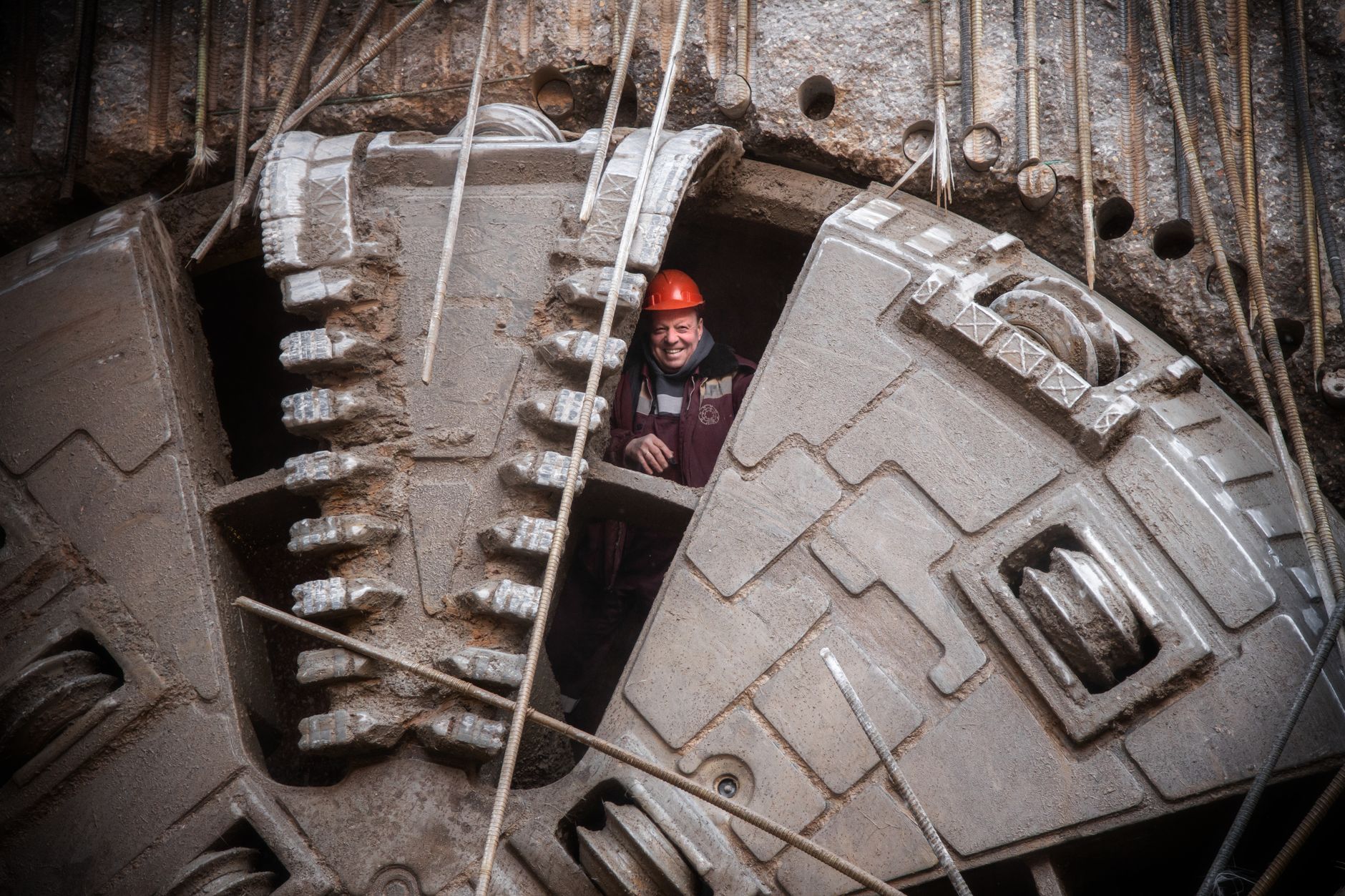
China tunnel boring machines export is tightening, leading to potential challenges for India’s infrastructure projects. This shift could impact various sectors reliant on these essential machines.
In recent months, China has implemented significant changes to its export policies concerning tunnel boring machines. These modifications aim to enhance domestic production capabilities while limiting the availability of these crucial machines to foreign markets. As a result, the China tunnel boring machines export landscape is undergoing a transformation that could have far-reaching implications for countries relying on these machines for infrastructure development.
India, in particular, may experience a substantial impact due to its ongoing infrastructure projects, which heavily depend on advanced tunneling technology. The tightening of exports could lead to delays and increased costs for Indian construction firms striving to meet project deadlines.
These factors raise concerns about India’s ability to maintain its ambitious infrastructure goals in the current global economic climate.
The recent tightening of China’s export policies on tunnel boring machines is poised to significantly impact India’s infrastructure development. As India embarks on ambitious projects aimed at enhancing urban transport and connectivity, the availability of these critical machines is crucial.
Currently, China dominates the market for tunnel boring machines, with its exports playing a pivotal role in various infrastructure initiatives across India. The restriction on these exports could delay project timelines and increase costs for Indian contractors.
Key areas likely to be affected include:
Overall, the implications of China tunnel boring machines export restrictions may resonate across multiple sectors in India.
The tunnel boring industry is dominated by several key players that shape the global market. These companies are crucial in the context of China’s tunnel boring machines export and its implications for countries like India.
These players not only drive technological advancements but also influence pricing and availability, which could affect India’s ongoing infrastructure projects.
As China tightens exports of tunnel boring machines, India must explore alternatives to meet its infrastructure needs. The reliance on imported machinery poses significant challenges for ongoing and future projects. To mitigate these risks, India can consider the following options:
By diversifying its approach, India can ensure that its infrastructure projects remain on track despite the constraints posed by changes in China’s tunnel boring machines export policies.
The recent restrictions on China tunnel boring machines export have introduced significant economic ramifications for India. As the nation embarks on ambitious infrastructure projects, the availability of these machines is critical to maintaining timely progress. The tightening of exports from China poses a challenge to Indian contractors who rely heavily on these advanced technologies for construction.
Moreover, the increased costs associated with sourcing alternatives could lead to budget overruns, impacting overall project funding. Key economic sectors, including transportation and urban development, may face delays as a result, which could stifle growth. In addition, reliance on foreign machinery could hinder India’s self-sufficiency in infrastructure development, pushing the nation to explore local manufacturing solutions.
Overall, the ramifications of these export restrictions could have lasting effects on India’s economic landscape and infrastructure ambitions.
The future of tunnel boring technology is poised for significant evolution, especially in light of China’s recent export policy changes. As China tunnel boring machines export becomes more restricted, India faces challenges in accessing advanced machinery needed for its infrastructure projects.
In response, India might accelerate the development of indigenous technologies and partnerships with other countries that specialize in tunneling solutions. This could lead to a more diversified approach, fostering innovation and competition within the domestic market.
Moreover, advancements in tunneling technology, such as automation and artificial intelligence, could greatly enhance efficiency and reduce costs. India’s ability to adapt to these changes will be crucial, not only for current projects but also for future infrastructure ambitions that demand modern, efficient tunneling methods.
Ultimately, the trajectory of tunnel boring technology will depend on collaboration, investment, and strategic planning.
In response to the tightening of China’s export policies regarding tunnel boring machines, the Indian government is taking proactive measures to mitigate potential disruptions in infrastructure projects. Officials are assessing the situation to determine the extent of the impact on ongoing and future developments.
The government plans to:
These strategies aim to ensure that India can continue its infrastructure advancements despite challenges posed by the new restrictions on China tunnel boring machines export.
The long-term outlook for India’s projects, particularly in the context of the recent changes in China tunnel boring machines export policies, remains uncertain. As India strives to enhance its infrastructure, the dependency on imported machinery could hinder progress. The escalating costs and potential delays in acquiring these machines may lead to longer project timelines.
Additionally, local manufacturers may struggle to meet the demand for high-quality tunnel boring machines, further complicating the situation. Key projects, such as metro systems and underground networks, could face significant setbacks.
Moreover, as the government seeks to diversify its sources, establishing partnerships with alternative suppliers might take time and investment. In this competitive landscape, India must innovate and adapt to minimize the impact of these export restrictions from China.
The China tunnel boring machines export has raised concerns among Indian manufacturers about potential competition in the infrastructure sector. As India invests in its own tunneling projects, the implications of the China tunnel boring machines export will be closely monitored by industry experts.
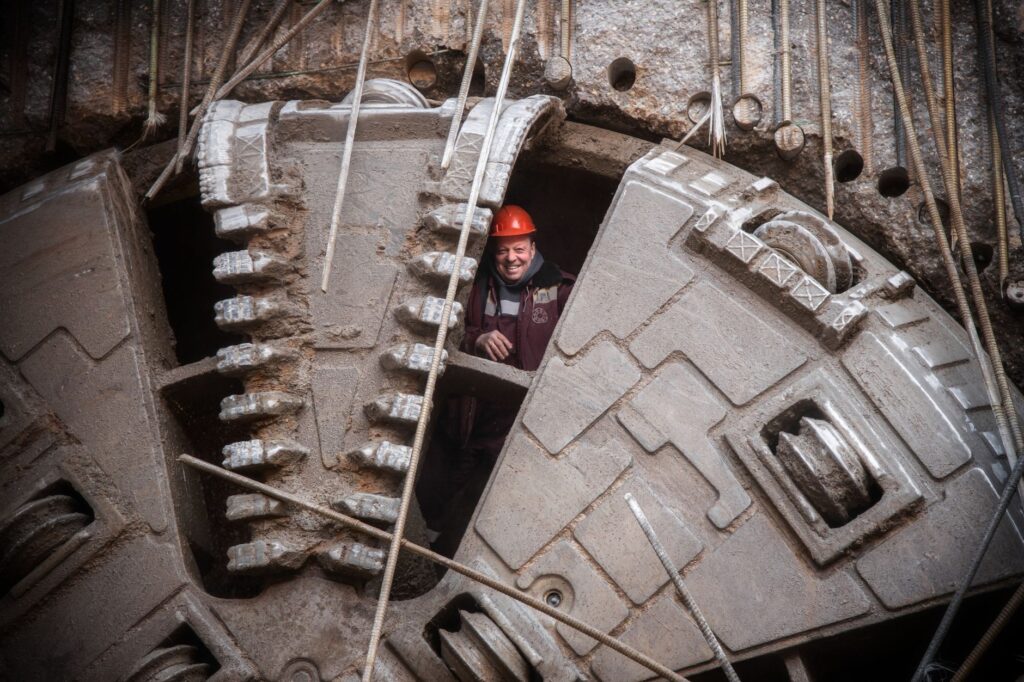
Photo by Max Mishin on Pexels
Is Ceigall India’s Highway Project the Best Investment Opportunity? · Oberoi Realty Q2 Pre-Sales: Proven Growth to ₹9,149 Cr · Healthy Wellness Lifestyle: Proven Benefits of Regen Bay