 11
11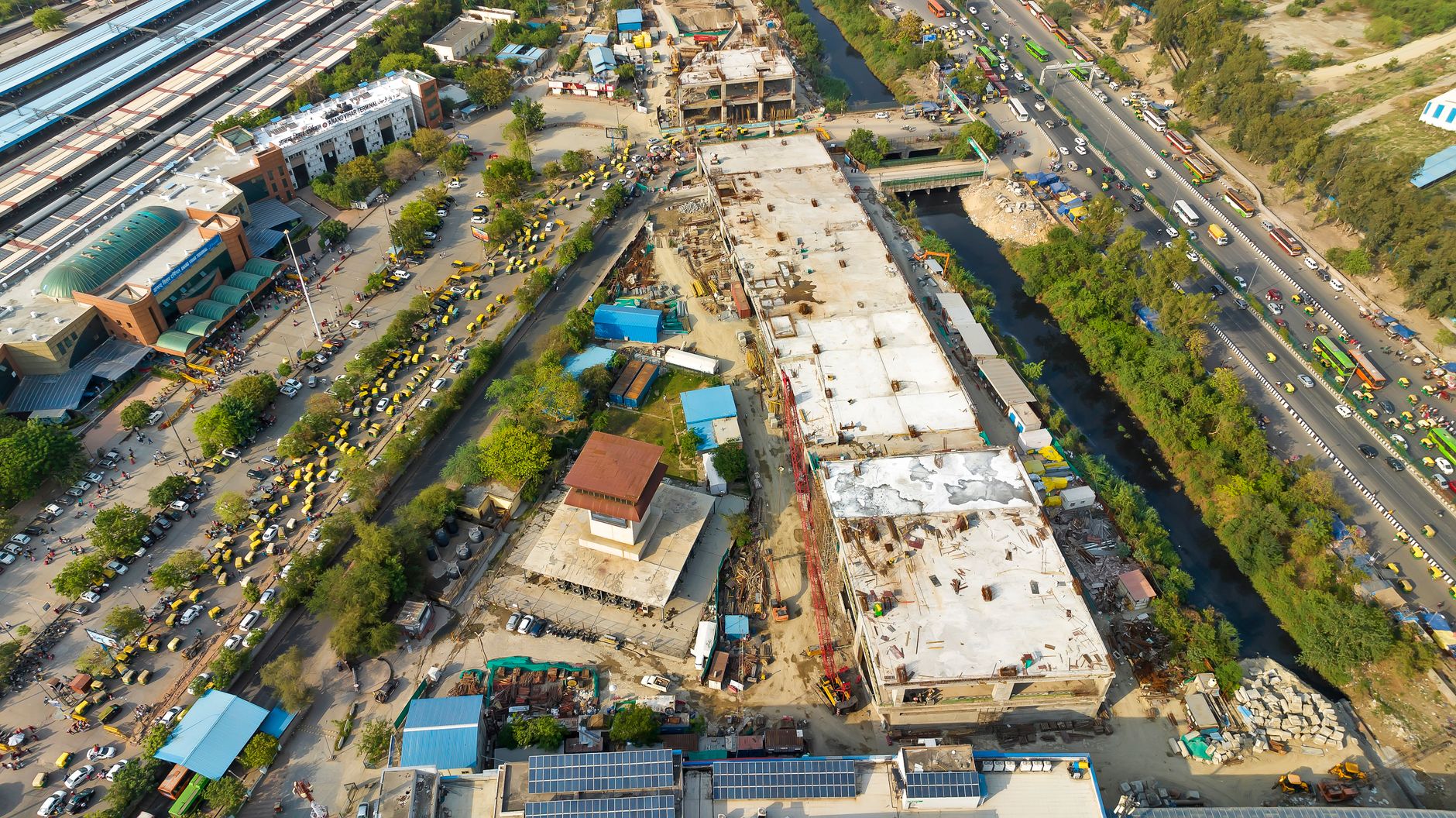
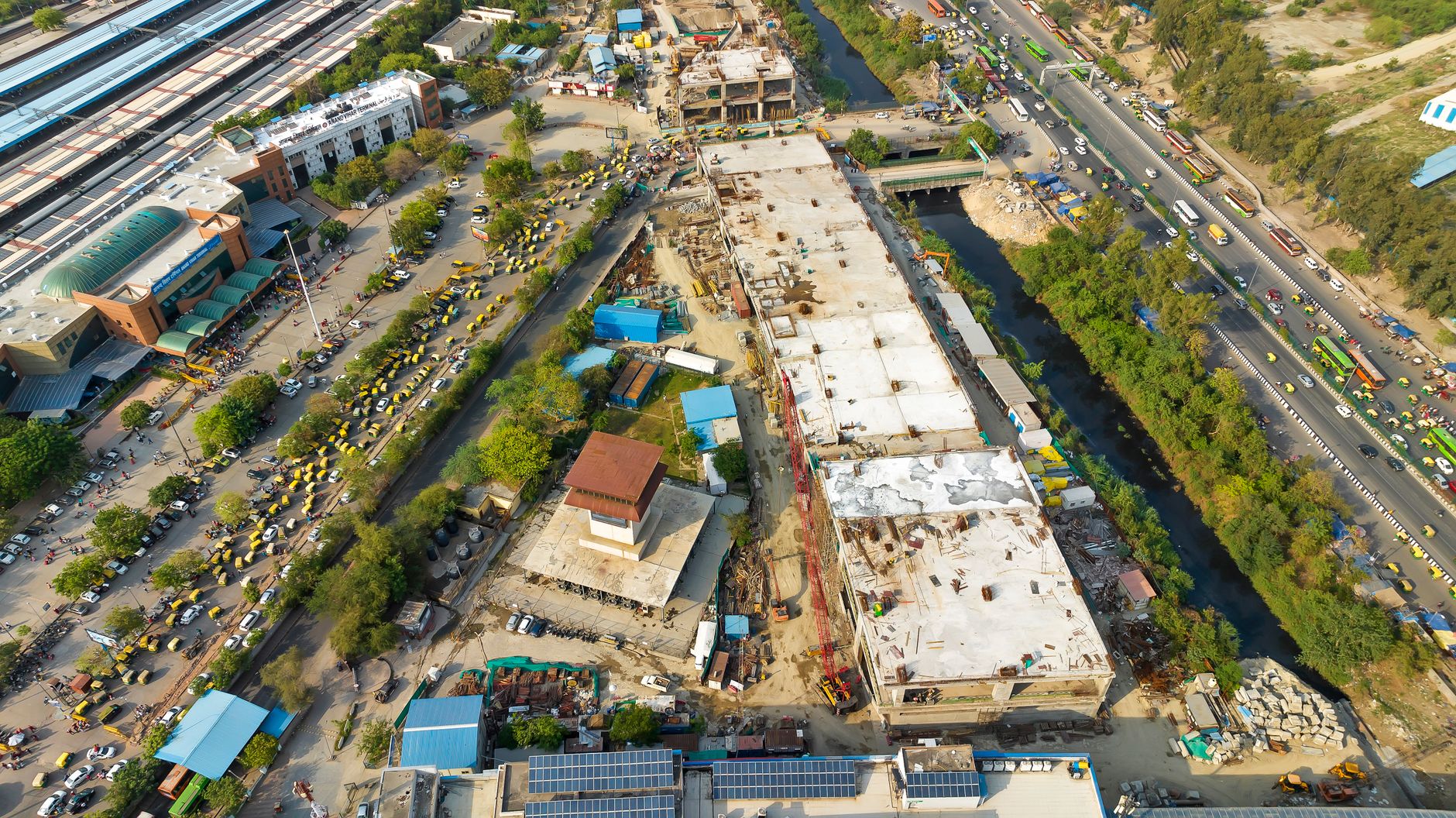
urban infrastructure projects are under review as Delhi’s LG meets with DDA and NBCC officials. This meeting aims to enhance the city’s infrastructure and urban development.
Urban infrastructure projects play a critical role in shaping the development and growth of cities. These initiatives are designed to enhance the quality of urban life, improve transportation networks, and ensure the sustainability of urban environments. Recently, the Lieutenant Governor of Delhi reviewed the progress of various urban infrastructure projects in collaboration with officials from the Delhi Development Authority (DDA) and the National Buildings Construction Corporation (NBCC).
The review focused on several key areas:
These urban infrastructure projects not only address immediate needs but also lay the groundwork for future expansion, making cities more resilient and adaptable to changing demands.
During the recent review meeting, several critical insights emerged regarding urban infrastructure projects aimed at fostering sustainable growth in the region. The discussion highlighted the importance of timely execution and effective management of these initiatives to ensure they meet the needs of a rapidly growing urban population.
These key takeaways reflect a commitment to enhancing urban infrastructure that aligns with the city’s growth objectives.
The Delhi Development Authority (DDA) plays a crucial role in the advancement of urban infrastructure projects aimed at enhancing the quality of life for residents. In a recent review meeting chaired by the Delhi Lieutenant Governor, officials from the DDA and the National Buildings Construction Corporation (NBCC) discussed ongoing initiatives and future plans.
During the meeting, several key points were highlighted regarding the DDA’s efforts in urban development:
With these initiatives, the DDA is paving the way for a more efficient and livable urban environment, demonstrating the importance of innovative urban infrastructure projects in shaping the future of Delhi.
The National Buildings Construction Corporation (NBCC) plays a pivotal role in the execution of urban infrastructure projects aimed at enhancing the urban landscape. With a focus on sustainability and innovation, NBCC has been instrumental in various significant developments across the city.
At the recent review meeting led by the Delhi Lieutenant Governor, several key contributions from NBCC were highlighted:
These contributions underscore NBCC’s commitment to advancing urban infrastructure and facilitating growth in urban areas.
The future of Delhi’s urban growth is set to be shaped by a series of strategic urban infrastructure projects aimed at enhancing connectivity and sustainability. The recent review meeting led by the Delhi Lieutenant Governor emphasized the importance of integrated development through Transit-Oriented Development (TOD) principles.
Officials from the Delhi Development Authority (DDA) and the National Buildings Construction Corporation (NBCC) presented a roadmap that includes several key initiatives:
These urban infrastructure projects are crucial not only for meeting the immediate needs of the city but also for ensuring long-term sustainable growth.
Photo by Anil Sharma on Pexels